Canthoplasty Beverly Hills
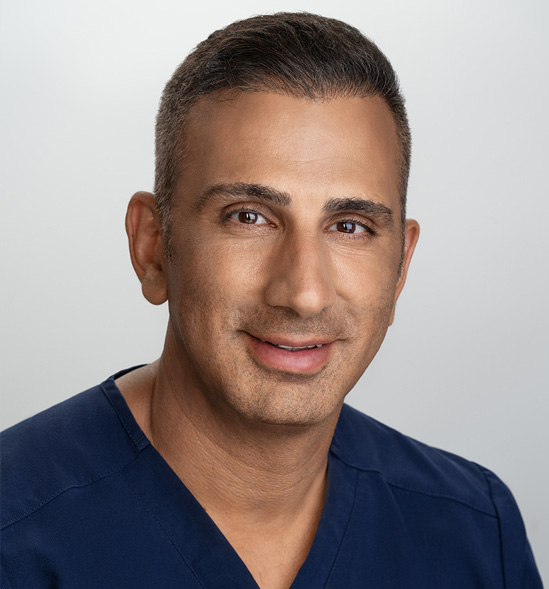
If you’re searching for canthoplasty surgery in Beverly Hills, you’ve likely moved past the social media terminology and into the medical specifics. That kind of research deserves a straightforward answer. Dr. Christopher Zoumalan is a board-certified oculoplastic surgeon with 20 years of exclusive focus on the structures canthoplasty targets: the outer eyelid corner, the lateral canthal tendon, and the surrounding periorbital anatomy. With 9,000+ eyelid procedures performed, he understands exactly what canthoplasty does and why he chooses a different path to the same result.
An Oculoplastic Surgeon’s Honest Perspective on Canthoplasty Surgery
This page explains the procedure thoroughly, acknowledges when it’s genuinely needed, and walks you through the approach Dr. Zoumalan uses to deliver the aesthetic outcome canthoplasty patients want, without the structural trade-offs.
Periorbital Expertise That Informs Every Surgical Decision
What Is Canthoplasty Surgery?
Canthoplasty surgery modifies the outer corner of the eye by detaching and repositioning the lateral canthal tendon: the structure that anchors where your upper and lower eyelids meet. The surgeon cuts through the muscle surrounding the eye, releases the tendon from the bone, shortens or shifts it, then reattaches it at a new position. The goal is a reshaped eye opening, typically more almond-like with an elevated outer angle.
Why the Tendon Matters More Than Most Patients Realize
That lateral canthal tendon isn’t just a cosmetic structure. It’s the primary support holding your lower eyelid in position. It influences how completely your eye closes, how tears spread across the surface, and how stable the eyelid remains over time. Detaching it for aesthetic reasons changes more than appearance, it changes the mechanics of the eyelid itself.
Why Dr. Zoumalan Doesn’t Perform Cosmetic Canthoplasty
This isn’t about capability. Dr. Zoumalan operates on canthal anatomy routinely. It’s a clinical decision built on 20 years of seeing how the periorbital system behaves after surgery. Not just in the first few months, but years down the line.
What Can Go Wrong When the Tendon Is Cut for Cosmetic Reasons
The most common issue patients don’t anticipate is rounding at the outer eyelid corner, the opposite of the almond shape they wanted. Other documented risks include the lower eyelid pulling away from the eye, chronic dryness from disrupted tear flow, and difficulty fully closing the eyelids. Once a canthal tendon has been cut and shortened, the removed tissue doesn’t grow back. Correcting a poor canthoplasty outcome often requires more complex surgery than the original procedure — something Dr. Zoumalan sees firsthand in revision cases at his Beverly Hills practice.
When Canthoplasty Is the Right Procedure
Canthoplasty has legitimate medical applications. Patients with lower eyelid retraction from a previous surgery, ectropion, or significant structural laxity from aging or trauma may genuinely need the tendon reconstructed. In those cases, canthoplasty isn’t elective, it’s restorative. The line Dr. Zoumalan draws is between reconstructive necessity and cosmetic preference.
How Dr. Zoumalan Delivers the Results Canthoplasty Patients Want
Most patients considering canthoplasty in Beverly Hills want a more elongated eye shape, visible lift at the outer contour, and a youthful, balanced appearance. Dr. Zoumalan achieves each of these through procedures that leave the canthal tendon untouched.
Endoscopic Brow Lift for Outer Contour Elevation
The lateral brow sits directly above the outer eye. When it drops, through aging, gravity, or simply how your face is built, the upper eye looks heavy and the outer contour goes flat. Endoscopic elevation repositions the brow tail through small, concealed incisions, creating the upswept angle that defines the almond eye shape. The lift happens above the eyelid, not inside it.
Upper Blepharoplasty for a Defined Lid Platform
Extra skin along the upper lid creates a hooded appearance that hides the crease and pulls the eye contour downward. Removing that redundancy while keeping the natural fat volume intact opens the eye cleanly. When paired with brow elevation, the combination reshapes how the entire upper eye reads: wider, more open, and visibly lifted at the outer corner.
Canthopexy for Lower Eyelid Reinforcement
When patients present with mild to moderate lower eyelid looseness — particularly during lower blepharoplasty — Dr. Zoumalan may add canthopexy to tighten the canthal tendon with sutures alone. No cutting, no detachment, no tendon shortening. It’s the conservative alternative to canthoplasty that provides structural support while keeping the native anatomy in place.
Volume Restoration Where It’s Been Lost
Hollowing around the temples and upper lid transition makes the eye area look drawn even after lifting. Strategic fat repositioning or carefully placed filler restores that fullness so the result looks refreshed rather than overdone.
Every Component Works Together by Design
Canthoplasty vs. Dr. Zoumalan’s Approach
Patients weighing canthoplasty surgery in Beverly Hills benefit from understanding exactly where these approaches diverge.
Canthoplasty detaches the lateral canthal tendon, shortens it, and reattaches it to reshape the eye opening. Recovery runs two to three weeks. Risks include canthal rounding, eyelid malposition, persistent dryness, and outcomes difficult to reverse once the tendon has been modified.
Dr. Zoumalan’s approach combines endoscopic brow elevation, upper blepharoplasty, volume restoration, and canthopexy when needed. All without detaching the canthal tendon. Recovery follows a comparable timeline. The elevated, almond-shaped contour patients seek is achieved by enhancing the frame around the eye rather than restructuring its foundational support.
One path modifies the anchor. The other lifts the frame.
Who Should Consider a Canthoplasty Alternative in Beverly Hills?
During a consultation at his Beverly Hills office, Dr. Zoumalan evaluates your periorbital anatomy in detail (brow position, lid skin quality, lower lid tone, volume distribution, and facial balance) before recommending a plan. Every patient’s starting point differs, and the right combination of procedures depends on what your anatomy actually needs.
You may be a strong candidate if you:
- Want the almond-shaped, elevated contour associated with canthoplasty results
- Prefer to keep your natural eyelid structure and canthal tendon intact
- Notice heaviness or descent at the outer brow contributing to a flat eye appearance
- Have upper lid hooding that obscures the natural crease
- Are exploring canthoplasty but concerned about the long-term structural risks
- Seek improvement that ages naturally with your face rather than against it
Not every patient who researches canthoplasty actually needs it. Patients across Beverly Hills and Los Angeles schedule consultations with Dr. Zoumalan to find out which approach matches their anatomy and goals, with nothing decided in advance.

What Results Can You Expect and How Long Do They Last?
Patients who choose Dr. Zoumalan’s approach over traditional canthoplasty in Beverly Hills typically describe the outcome as a more open, almond-shaped eye that still looks like their own face. The lateral brow sits higher, the upper lid contour is clean and defined, and the outer eye carries a natural upward angle. Without the tension or pulled appearance that can follow canthal tendon surgery.
Recovery After Periorbital Surgery
- Day of Surgery: Outpatient procedure with same-day discharge. Cold compresses and head elevation help manage initial swelling.
- First Week: Bruising and swelling are most visible around the brow and upper lid. A follow-up visit confirms healing is on track.
- Weeks Two Through Four: Most patients return to work and social routines comfortably. Swelling continues to fade.
Months One Through Three: The final contour takes shape as tissues settle into position. Results from brow elevation and upper blepharoplasty are long-lasting, typically holding their position for years.
Pairing Canthoplasty Alternatives With Complementary Procedures
Patients exploring canthoplasty surgery often have goals that extend beyond the outer eye contour. Dr. Zoumalan frequently combines procedures for comprehensive periorbital rejuvenation in a single session.
Lower Blepharoplasty
Under-eye bags and excess lower lid skin can undermine the results of any upper eye improvement. Addressing both zones simultaneously creates a balanced, fully refreshed periorbital appearance and consolidates recovery into one period.
Canthopexy
When lower blepharoplasty patients need added structural support at the outer lid, canthopexy provides it through suture-based tightening, no tendon detachment required. Dr. Zoumalan recommends canthopexy selectively, only when your anatomy warrants the reinforcement.
Additional Periorbital Options
Depending on your evaluation, Dr. Zoumalan may also recommend ptosis surgery if the upper eyelid itself droops, an endoscopic brow lift as a standalone procedure, or upper blepharoplasty for patients who need lid refinement without brow work. Each recommendation follows from anatomy, not assumption.
Why Choose Dr. Zoumalan Over a Canthoplasty Surgeon in Beverly Hills?
Choosing a surgeon for the area around your eyes is one of the most consequential aesthetic decisions you’ll make. Dr. Zoumalan’s background provides a level of specialization that most canthoplasty surgeons in Beverly Hills and Los Angeles cannot match.
- ASOPRS Fellowship-Trained Oculoplastic Surgeon: Fellowship training specifically in the anatomy canthoplasty targets (canthal tendons, orbital rim structures, periorbital soft tissue) gives him a depth of understanding that general plastic surgery training doesn’t cover.
- Exclusive Focus With over 20 years of clinical experience: Every procedure Dr. Zoumalan has performed in his career involves the eyelid and periorbital region. Canthal anatomy isn’t a secondary consideration in his practice. It’s central to everything he does.
- 9,000+ Procedures Across Diverse Anatomies: That volume builds pattern recognition — the ability to identify which patients will achieve their goals without canthoplasty and which genuinely need structural reconstruction. Not every surgeon can make that distinction reliably.
- Natural Results Philosophy: Patients consistently describe Dr. Zoumalan’s outcomes as looking like a better, more rested version of themselves. His Beverly Hills and Los Angeles patients choose him specifically because he doesn’t chase trends at the expense of long-term function.
Beverly Hills Patients Who Research Canthoplasty Deserve This Level of Expertise
Start With a Consultation — Not a Commitment to Canthoplasty
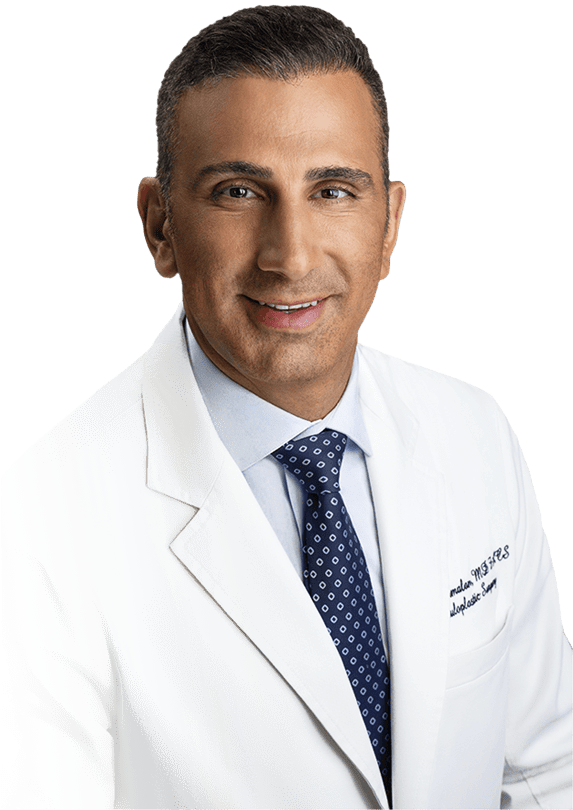
The best way to understand what your eyes actually need is a direct evaluation by a surgeon who operates on this anatomy every day. Patients across Beverly Hills and Los Angeles schedule consultations with Dr. Zoumalan to get honest, anatomy-driven guidance — not a sales pitch for a predetermined procedure.
Frequently Asked Questions About Canthoplasty
How much does canthoplasty cost in Beverly Hills?
Dr. Zoumalan does not perform cosmetic canthoplasty, so pricing reflects his alternative approach — typically a combination of endoscopic brow lift, upper blepharoplasty, and canthopexy when indicated. He provides personalized quotes during consultation. Financing through PatientFi includes zero-interest plans and flexible monthly payments. These are cosmetic procedures not covered by insurance. Learn about financing options.
How long does canthoplasty last?
Traditional canthoplasty results are generally long-lasting, though aging continues and the reshaped tissues can shift over time. Dr. Zoumalan’s approach using brow elevation and blepharoplasty also produces durable results — typically maintaining the elevated contour for many years — with the advantage of preserving the canthal tendon’s natural integrity throughout.
What are the risks of canthoplasty surgery?
Canthoplasty carries specific risks tied to canthal tendon detachment, including outer corner rounding, lower eyelid malposition, chronic dryness, and difficulty with full eyelid closure. Dr. Zoumalan’s alternative approach eliminates these tendon-specific risks entirely. Standard surgical risks like temporary swelling and bruising still apply.
Why doesn’t Dr. Zoumalan perform cosmetic canthoplasty?
His position is rooted in clinical experience, not limitation. After 20 years of operating on canthal anatomy, he’s observed that detaching a healthy tendon for cosmetic reshaping introduces structural risks that safer techniques can avoid. He achieves comparable aesthetic results through brow lift and blepharoplasty while keeping the tendon intact.
What is the difference between canthoplasty and canthopexy?
Canthoplasty detaches the lateral canthal tendon from the bone and repositions it — a more invasive structural reconstruction. Canthopexy tightens the same tendon using sutures without detaching it. Dr. Zoumalan performs canthopexy during lower blepharoplasty when patients need added support, reserving the intact-tendon approach as his standard of care.